
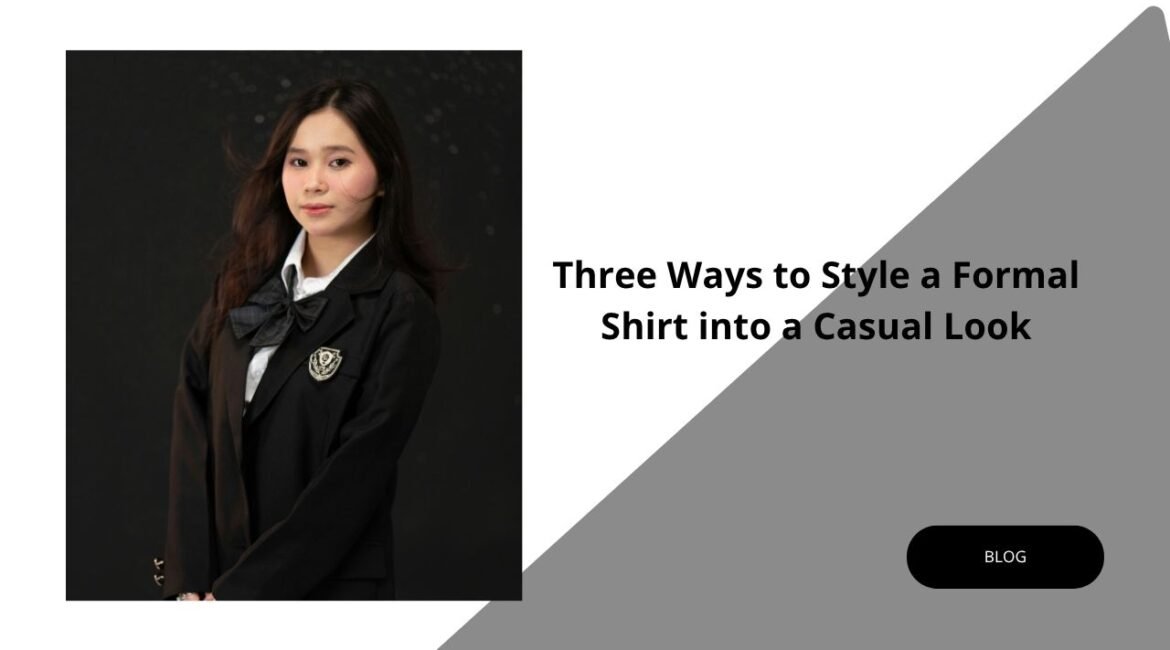
Your wardrobe should work as hard as you do. Too often, high-quality formal shirts, the very backbone of your professional success, are exiled to the closet during weekends and holidays. This rigid categorization is a missed opportunity. Modern fashion champions versatility, and learning how to transform a single garment, like a crisp long-sleeve dress shirt, into a relaxed, stylish, and charismatic casual look is the ultimate power move. We reject the notion that formality means limitation. Instead, we embrace smart styling to unlock the full potential of your investment. Get ready to multiply your outfit options without buying a single new item!
The textile industry provides us with durable, well-structured fabrics, and it’s up to us to be creative with them. PT. Teamisman Apparel Indonesia, with its focus on classic cuts and high product quality, designs shirts that are inherently flexible. Our Vision is not just to sell clothing, but to equip you with smart, sustainable style solutions. This guide offers three distinct methods to break down the walls between your weekday professionalism and your weekend freedom, proving that your best formal shirt can be your best casual shirt too.
This article will detail the styling mechanics behind these three key transformations, offering specific mix-and-match combinations that elevate the formal garment into a casual statement piece. Our Goal is to Increase customer satisfaction by delivering practical fashion knowledge that maximizes the Cost Per Wear of your long-sleeve shirts.
Method One: The Unbuttoned Layering Over a Base
This is the easiest and most effective transformation, instantly shifting the shirt’s function from primary garment to stylish outerwear.The Mechanics of the Layering Base
To successfully use a formal shirt as a jacket, the foundation beneath it must be simple and contrasting.- Base Layer Selection: The ideal base is a high-quality, solid-colored T-shirt or a minimalist tank top. White, black, or gray are universally safe choices. The base layer should be well-fitted but not skin-tight.
- The Fabric Factor: This method works best with shirts made from cotton Poplin or lightweight Oxford textiles. These fabrics have enough structure to hold their shape when unbuttoned, preventing them from looking flimsy or shapeless.
- The “Untucked” Rule: The formal shirt should always be worn untucked in this casual look. Ensure the length is appropriate, it should cover the belt but not extend past the fly of the trousers (typically falling mid-hip).
Completing the Look: Rolling the Sleeves
The rolled sleeve is non-negotiable for this method, as it communicates relaxation and ease.- The Master Roll: Roll the cuff once, then fold the sleeve up, stopping just below the elbow or mid-forearm. This technique looks intentional and prevents heavy wrinkles.
Method Two: The Half-Tuck, Cuff Fold, and Texture Swap
This method requires slightly more confidence but delivers a smart casual look that is sophisticated, blending formality with effortless urban style.The Art of the Half-Tuck
The half-tuck (or French tuck) is the deliberate act of tucking only the front portion of the shirt into the waistband, leaving the back and sides loose.- Purpose: It defines the waistline and gives the outfit structure while maintaining a relaxed feel. It suggests an air of intentional carelessness.
- The Right Shirt: This technique is ideal for shirts with a Slim Fit or Tailored Fit, as they minimize the excess fabric that would otherwise gather awkwardly at the hips.
Swapping Textures and Trousers
The key to casualizing the look is introducing contrasting fabrics and non-formal bottoms.- Denim and Chinos: Replace formal wool trousers with dark-wash, slim-fit denim or colored chinos (e.g., olive green, burgundy, or stone). The casual textile of the bottoms instantly offsets the formality of the shirt.
- Shoes: Swap leather Oxfords for clean, minimalist sneakers (white or black), loafers, or suede desert boots. The footwear is critical in confirming the casual intent.
Method Three: The Full Transformation with Knitwear
This method utilizes knitwear, sweaters or cardigans, to dramatically alter the shirt’s context, framing it as an accent piece rather than the main formal garment.The Sweater-as-Frame Technique
Layering provides warmth and, more importantly, changes the visual hierarchy of the outfit.- Crewneck or V-Neck Sweater: Wear the formal shirt underneath a lightweight sweater. The sweater should be simple, without busy logos or patterns. Neutral colors like gray, navy, or camel are best.
- The Collar Pop: Let the shirt collar sit neatly inside the sweater neckline. The formality of the shirt collar peering out instantly elevates the casual knitwear.
- Manset Visibility: Ensure the shirt cuffs are neatly buttoned and pull them out slightly (1-2 cm) beyond the sweater sleeves. This small detail is a subtle nod to the garment’s formal origins and shows attention to detail.
Completing the Look with Accessories
This look benefits from accessories that lean heavily into the casual, autumnal, or academic vibe.- Accessories: Add a casual watch (canvas or NATO strap), a leather briefcase/backpack, or perhaps a pair of non-prescription reading glasses to enhance the intellectual, relaxed appearance.
- The Fabric Rule: The textile of the sweater should contrast the smoothness of the cotton shirt, think fine merino wool, cashmere, or soft cotton knits.
Blog